
When a forklift becomes unavailable or a new job requires extra handling capacity, timing can become a pressing concern. A delivery is approaching, a production line needs materials or a temporary project is due to start. Businesses often want to know how quickly they can hire a forklift, but there is no single answer that fits every site and machine.
The time between an initial enquiry and delivery depends on the required truck, its availability, where it needs to go and the practical arrangements for getting it onto site. A straightforward requirement may be easier to organise than a specialised machine or restricted delivery. Understanding the process helps you ask the right questions and plan around a realistic timescale.
What Happens After You Enquire About Forklift Hire?
An initial enquiry should establish what the forklift needs to do, where it will operate and when the equipment is required. The supplier needs more than an instruction to send a forklift as soon as possible. They must understand the job before identifying a suitable available machine.
A useful first conversation covers the heaviest loads, maximum lift height, likely hire period, working environment and delivery address. It should also identify whether an existing forklift has broken down, whether the requirement is a planned increase in work or whether the machine is needed for a fixed project date. That context helps the supplier distinguish an immediate operational problem from a requirement that can be scheduled.
Once the intended task is understood, the supplier can consider suitable equipment, confirm availability and discuss the proposed delivery arrangements. A quotation and the necessary hire details can then be agreed before transport is organised. These stages may overlap, but none should be treated as automatic.
Ask what still needs to happen before the booking can be confirmed. A supplier may have identified a suitable truck but still need to allocate it to your hire or agree a transport slot that fits your site’s receiving hours. If you have a firm deadline, give the supplier the latest time you can accept delivery and ask when they can confirm the slot.
How Does the Required Forklift Specification Affect Availability?

Availability is not simply a question of whether a supplier has any forklifts in its fleet. The relevant question is whether an available truck is suitable for the work you have described. Two machines may look similar but have different rated capacities, mast configurations, operating dimensions and attachments.
For example, a business lifting ordinary palletised goods to a modest height may have a different requirement from one handling long products or placing loads high in racking. The supplier needs the actual working details rather than a rough estimate of the machine size. An unsuitable forklift cannot solve a timing problem safely.
A particular mast or attachment may narrow the options available at short notice. Likewise, work involving external surfaces or specific operating conditions may need a different configuration from a truck used only on a suitable internal warehouse floor. These distinctions should be established before delivery is agreed.
Avoid changing the specification simply to speed up the booking unless the alternative has been properly assessed. Confirm that any proposed substitute can handle the intended load at the required height, with the necessary attachment and within the operating environment. Hurrying this stage can create greater delays if the equipment arrives and proves unsuitable.
Why Do Location and Delivery Arrangements Matter?
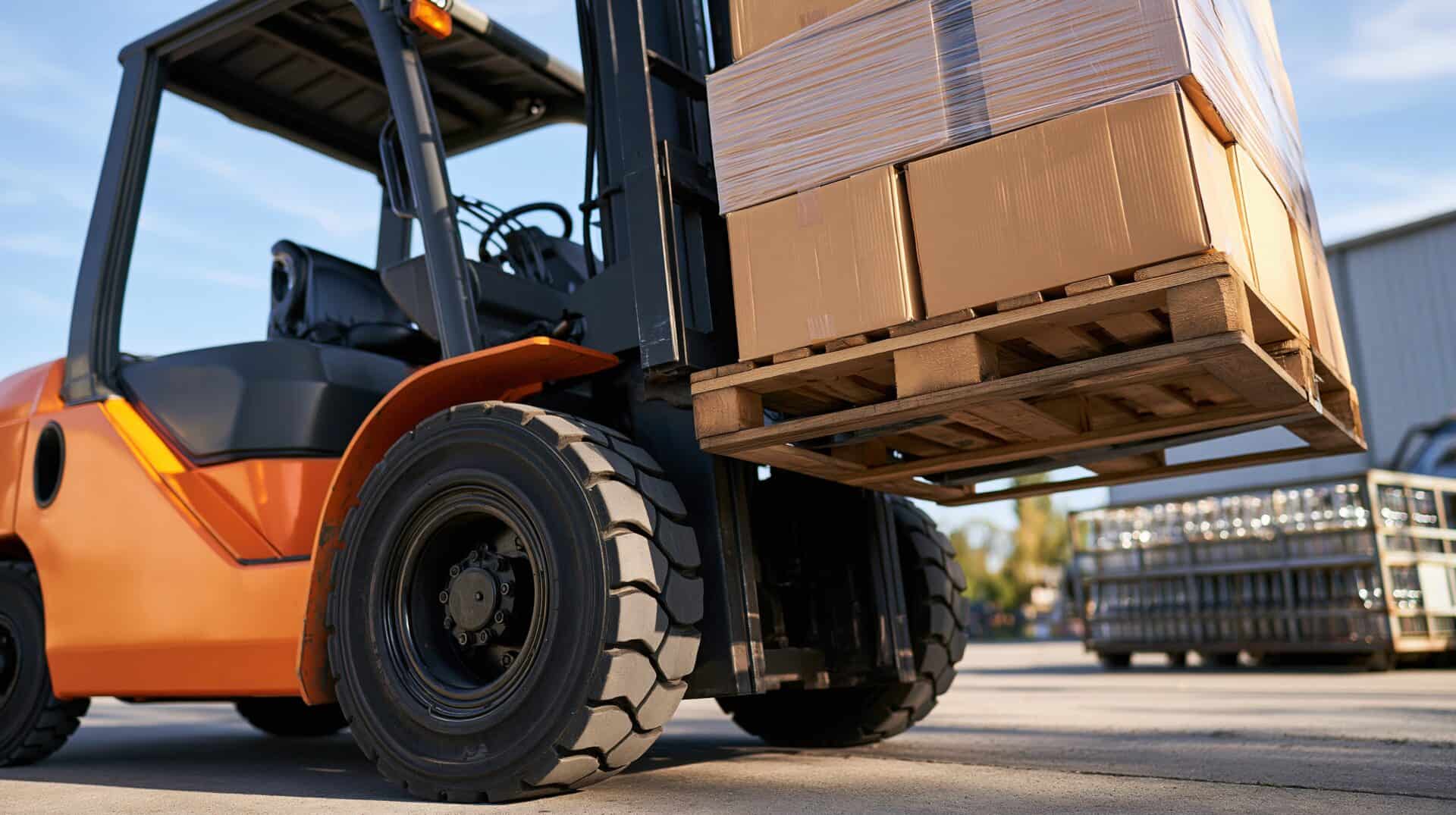
Even when a suitable machine is available, it still needs to be transported to the correct location. Delivery arrangements are affected by the distance involved, transport scheduling and whether the destination can receive the truck as planned.
Provide a precise site address and the entrance used for deliveries. Large industrial premises sometimes have separate goods-in gates, visitor entrances and vehicle routes. A supplier may need to know which entrance is accessible to the transport vehicle and where the forklift will be handed over.
Explain any restrictions on vehicle access, including narrow gateways, height limits, tight turning areas or delivery time windows. If the site requires booking slots or an induction for visiting drivers, say so when making the enquiry. A confirmed delivery date is less useful if the transport vehicle cannot gain access on arrival.
The method of transport and unloading also needs to be agreed with the supplier. Do not assume that a particular transport vehicle or unloading arrangement will be used; this depends on the machine, carrier and site. Confirm who is responsible for the handover and what safe access will be available. The HSE delivery guidance explains how suppliers, carriers and recipients can agree these responsibilities in advance.
What Site Information Is Needed Before Delivery?
Site information should focus on the proposed delivery and handover, not merely the general nature of the business. Tell the supplier where the machine will be received, whether the delivery point is accessible and who will be present to accept it.
Describe relevant ground conditions at the agreed handover location. Firm, suitable surfaces and safe access matter when moving equipment from transport to the intended operating area. If there are slopes, thresholds, damaged surfaces or other restrictions, discuss them before a delivery is booked instead of expecting the driver to resolve them on arrival.
Confirm the name and contact number of the person meeting the delivery, along with any induction, security or access requirements. If your site operates limited opening hours or cannot accept deliveries during particular shifts, specify those constraints. A clear handover plan is especially valuable when the person arranging hire will not be on site.
If the delivery point changes after booking, send the supplier the revised instructions and confirm that the agreed unloading arrangements still work. Pass the same details to the person receiving the truck.
Which Details Can Delay a Hire Arrangement?
A common cause of delay is an incomplete specification. If the supplier is initially told that a standard forklift will do, but later learns that the load is unusually long or must be lifted to a particular height, the available options may need to be reviewed.
Another problem arises when the site address is known but the practical delivery instructions are missing. Restricted entrances, unconfirmed unloading arrangements or a receiving team that is unavailable can interrupt a booking even when the right truck has been identified.
Changes made after the booking may also affect timing. These include adding an attachment, moving the delivery to another site, revising the start date or discovering that the intended working environment differs from the original description. Tell the supplier as soon as a requirement changes so they can assess the effect.
The necessary commercial paperwork may also need completing before dispatch. Rather than assuming a particular approval, insurance check or payment process is mandatory, ask the supplier what information and documents they require for your proposed hire.
When Can a Supplier Confirm a Realistic Delivery Time?
A credible delivery estimate usually follows confirmation that a suitable truck is available and that transport can be arranged to the specified site. Before that point, a general indication may change when the machine configuration or delivery conditions become clear.
Ask whether the proposed timing is an initial estimate or a confirmed booking. It helps to know whether the supplier is still checking availability, whether the machine has been allocated and whether a delivery window has been agreed with the people receiving it.
The answer can also depend on whether you are flexible about the exact start date or machine configuration. If the preferred specification is unavailable, the supplier may discuss other options. Any alternative must still be suitable for the intended work rather than chosen purely for speed.
Plan for the business impact of possible variation. Where a delivery is tied to a scheduled arrival or an essential production task, do not make commitments on the assumption that equipment will arrive before the supplier has confirmed the arrangement.
How Can You Make a Forklift Hire Enquiry More Efficient?
The quickest useful enquiry is often the most complete one. Have the essential handling information ready: what is being lifted, the maximum load weight, required lift height, any attachments, where the forklift will operate and the intended hire dates. If you know the model of a truck already used successfully for the same task, mention it as context, while allowing the supplier to assess suitability independently.
Provide the full delivery address, receiving contact and any restrictions on access or working hours. Explain whether the machine will be used indoors, outdoors or across both environments. If you expect an upcoming change in the work, identify it before the supplier finalises a recommendation.
Ask what the supplier still needs to confirm, when a realistic delivery window can be given and how the handover will be arranged. Keep the agreed details together so the site team receives the same information as the person placing the order.
If you need to arrange forklift hire in Wolverhampton, complete our contact form to request a quote. Provide details of your lifting requirements, site location and preferred hire dates so the Forklifts4U team can discuss suitable equipment, check availability and advise on a realistic delivery timeframe. Sharing this information from the outset can help avoid unnecessary delays and ensure the forklift is appropriate for the job.